

2025 Spring Edition
Esra Mustafa Abdalla, R13 Fellow joins CIRM NG Newsletter Production Team
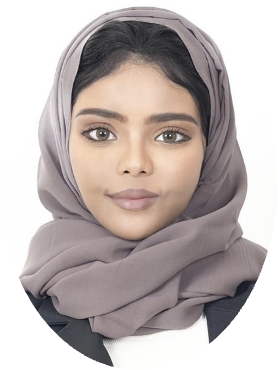 I am a Sudanese physician deeply committed to improving healthcare for underserved communities, especially in conflict zones like my home country of Sudan. As an international fellow in the 2024-2025 ACRM NCCIH/NCMRR R13 funded Complementary and Integrative Rehabilitation Medicine Program, I am focusing on how complementary medicine and lifestyle interventions can enhance health outcomes in resource-limited settings.
During my medical training at the University of Khartoum, I witnessed firsthand the profound impact of non-communicable diseases (NCDs) like diabetes, hypertension, and cardiovascular diseases on my community. While working across different villages and in refugee camps throughout Sudan, I saw patients struggling with medication adherence and making necessary lifestyle changes due to limited resources and education. This experience inspired my interest in lifestyle medicine (LM), which empowers patients to manage their health through sustainable changes to diet, physical activity, and other aspects of their daily lives.
In addition to my work in Sudan, I had the opportunity to be part of a geriatric research fellowship with Michigan State University, where I worked on developing mobile apps to help patients, especially older adults, take control of their health. These apps provided personalized guidance on healthy eating and physical activity, helping users make informed choices and adopt long-term health habits. This experience reinforced my belief `1in the importance of integrating technology with lifestyle medicine to support patients in managing their health, particularly in settings with limited access to healthcare.
Through my current work and research, I am committed to exploring how lifestyle medicine and complementary practices can be tailored to meet the unique needs of underserved populations, including those in rural villages and refugee camps. I believe these approaches, combined with patient education and support, can lead to meaningful improvements in health outcomes. My goal is to create healthcare solutions that are accessible, culturally relevant, and sustainable, particularly for those in environments where resources are scarce.