

Celebrating Excellence: Another Pioneering Role of ACRM BI-ISIG in Advancing TBI Care
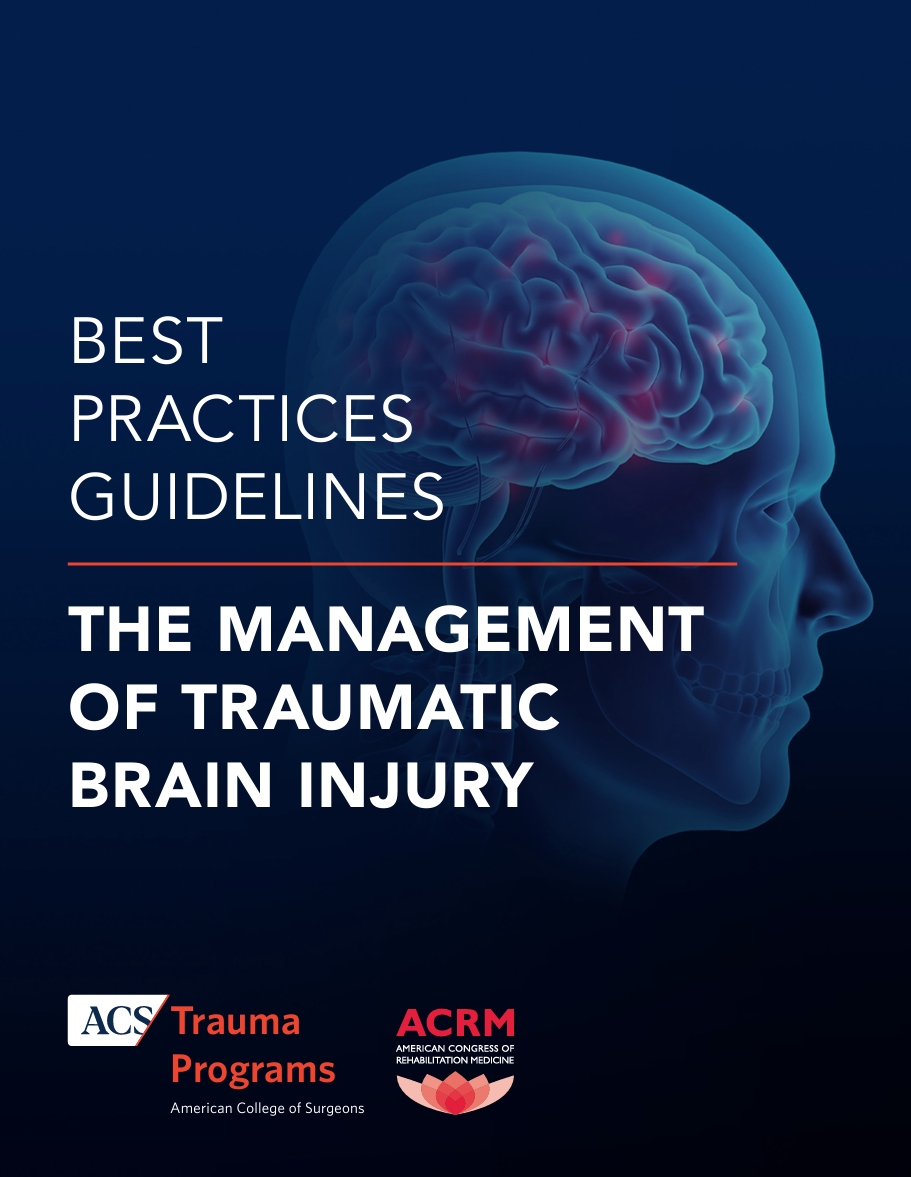
FALL 2024 — Congratulations and heartfelt thanks to the incredible members of the ACRM Brain Injury Interdisciplinary Special Interest Group (BI-ISIG) for their substantial contributions to the development of the “Best Practices Guidelines — The Management of Traumatic Brain Injury.”
This landmark achievement, created in collaboration with the American College of Surgeons, adds to the long, impressive list of impactful resources developed by this vibrant and highly active community group. As the first and largest of ACRM community groups, the BI-ISIG continues to lead the way in improving patient care through evidence-based practices, interdisciplinary collaboration and a shared commitment to enhancing lives worldwide.
ACRM |American Congress of Rehabilitation Medicine and the American College of Surgeons (ACS) have collaboratively developed the “Best Practices Guidelines — The Management of Traumatic Brain Injury” to enhance patient outcomes through evidence-based recommendations.
These guidelines address critical aspects of traumatic brain injury (TBI) care, including:
- Advanced Neuromonitoring: Implementing tools to monitor intracranial pressure and cerebral oxygenation.
- Biomarkers in TBI Diagnosis: Utilizing emerging blood-based biomarkers to assess injury severity and guide imaging decisions.
- Tiered Intracranial Pressure Management: Preventing secondary brain injury with interventions tailored to condition severity.
- Comprehensive Rehabilitation: Emphasizing early multidisciplinary rehabilitation encompassing physical, cognitive, and psychological therapies.
- Seizure Prophylaxis Medication: Applying evidence-based use of antiseizure medications for high-risk TBI patients to prevent early post-traumatic seizures.
Developed by an international panel of experts across neurosurgery, emergency medicine, pediatrics, rehabilitation medicine, anesthesiology, radiology, pharmacology, and nursing, these guidelines represent a comprehensive approach to TBI management. They serve as a vital resource for healthcare providers, aiming to standardize care and improve outcomes for TBI patients worldwide.
For more information and to access the document, please visit the ACS Trauma Quality Programs Best Practices Guidelines page.
Call for Proposals — Trauma & TBI Rehabilitation Content Wanted